Electric, hybrid, and petrol vehicles all get you from A to B, but the way each does it — and what that means for your maintenance, running costs and driving experience — is very different. Here's a clear breakdown.
Gas (Petrol) Vehicles
The traditional setup: an internal combustion engine burns fuel to generate power, driven through a transmission. It's the most familiar technology, with the widest network of mechanics, parts and fuel stations — a major advantage in Pakistan where charging infrastructure is still developing.
Hybrid Vehicles
Hybrids combine a petrol engine with an electric motor and battery, automatically switching between or blending the two for better fuel economy, especially in city driving. They don't need to be plugged in — the battery charges through regenerative braking and the engine itself — making them a practical middle ground.
Electric Vehicles (EVs)
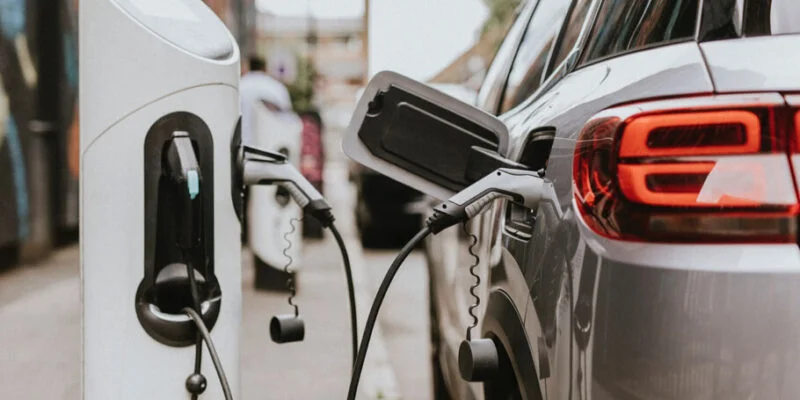
EVs run entirely on an electric motor powered by a large battery pack, with zero tailpipe emissions and near-silent operation. They require charging infrastructure and typically have a higher upfront cost, but dramatically lower running costs per kilometre and far simpler mechanical systems — no oil changes, no exhaust, no traditional transmission.
Which Is Right for You?
If you drive mostly around the city and want lower fuel costs without changing your routine, a hybrid is a strong fit. If you're ready to go electric and have reliable charging access, an EV offers the lowest running costs and simplest maintenance. If you need maximum range, easy refuelling and the widest service network, a petrol vehicle remains the most practical choice today.
Whichever you drive, CAREGAR's technicians are equipped to service traditional petrol and hybrid vehicles with the same OEM-quality standard you'd expect from a dealership — without the dealership price tag.
Need a hand with any of this? Book a free inspection at our DHA workshop.
Book Now